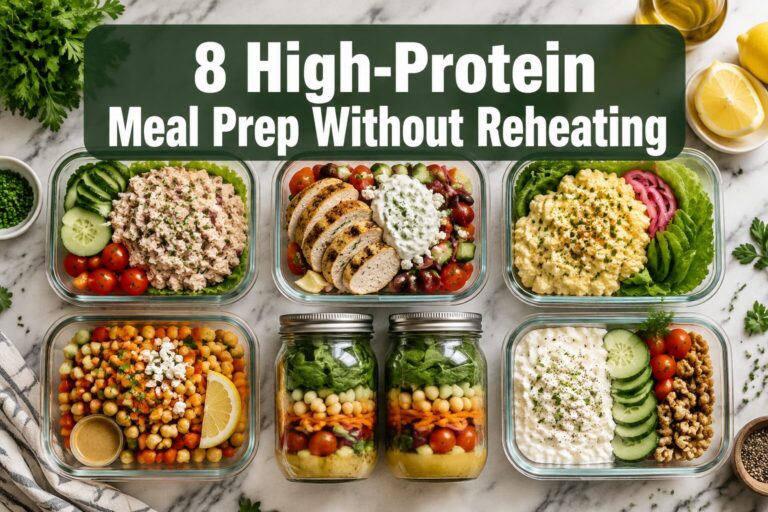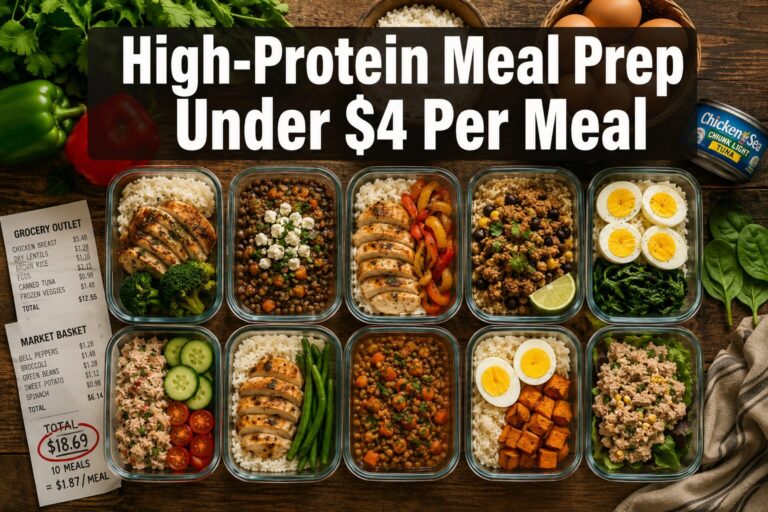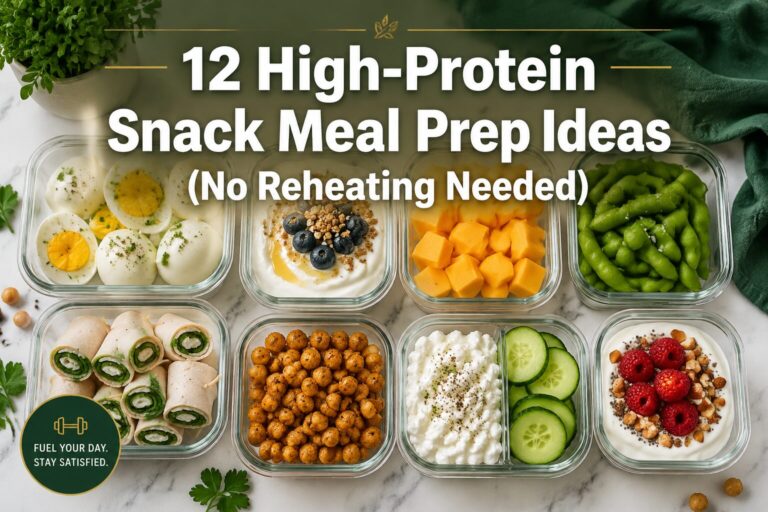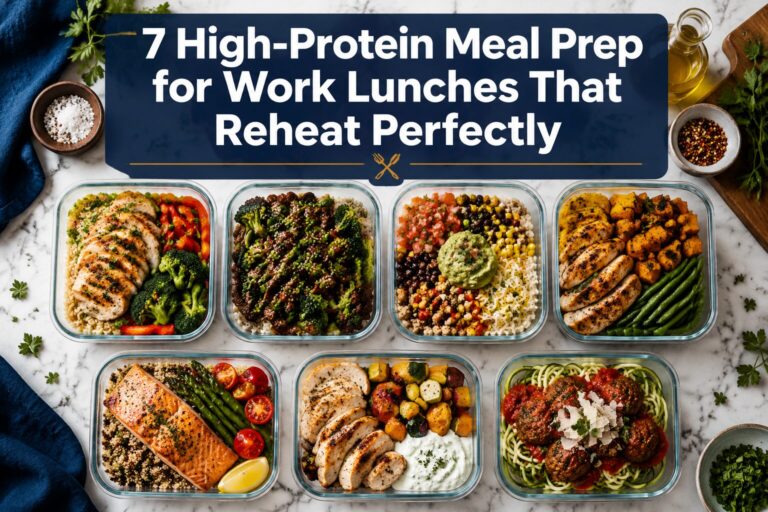
A whole chuck roast, tender enough to shred, in about the time it takes to answer your evening emails. That is the trick the Instant Pot pulls off, and it is the reason high-protein instant pot meal prep beats almost every other batch-cooking method for cheap cuts and busy weeks. You seal the pot, walk away, and come back to protein that would take a low oven three hours to match.
This post contains affiliate links. If you buy through them, I earn a small commission at no extra cost to you.
Most people buy a pressure cooker, make one pot of chili, and shove it in a cupboard. That is a waste. Used right, it is the fastest way to turn a $6 pack of thighs into four days of lunches. Here is the full system: which proteins to cook, how long, and a five-day plan that clears 120g of protein a day.
Why the Instant Pot suits meal prep
Two reasons. Cheap and hands-off.
The cuts with the most protein per dollar are the tough ones. Chuck, pork shoulder, chicken thighs, dried beans. They are loaded with connective tissue that needs long, wet heat to break down. A pressure cooker runs hotter than boiling water, so that breakdown happens in a fraction of the usual time. Beef that needs three hours in the oven is fork-tender in forty minutes.
Then there is the walk-away factor. Once the lid locks and the pot comes to pressure, you do nothing. No stirring, no checking, no splatter. You start a batch, go fold laundry, and the machine handles the rest. For anyone building a routine around high-protein meal prep, that reclaimed time is the whole point.
One pot also means one thing to wash. That matters more than it sounds on a Sunday night.
Instant Pot vs slow cooker: when each wins
People treat these as rivals. They are not. They solve different scheduling problems.
The Instant Pot wins when you forgot to plan. You can go from frozen-ish chicken to shredded meat in under half an hour of active waiting. It wins on dense, tough cuts and dried beans, where high heat does real work fast. If you cook after you get home and want food the same night, it is the better tool.
The slow cooker wins when you want to set it in the morning and ignore it all day. It is gentler, more forgiving, and harder to overcook. Delicate braises and anything you want simmering for eight hours belong there. If you like coming home to a hot pot, that low-and-slow route is worth its own system, which I cover in the slow cooker meal prep guide.
| Situation | Better tool | Why |
|---|---|---|
| Cook tonight, eat tonight | Instant Pot | Ready in 30-60 minutes total |
| Set in the morning, eat at night | Slow cooker | 8-10 hours unattended |
| Dried beans, no soak | Instant Pot | High pressure cooks them through |
| Delicate braise you can’t overcook | Slow cooker | Gentle, forgiving heat |
| One pot, fastest cleanup | Instant Pot | Saute and pressure in the same pot |
Best high-protein proteins to pressure-cook
These are general guidelines for a standard 6-quart cooker on high pressure. Cut size changes everything, so treat the numbers as a starting point and always confirm doneness with a thermometer, not the clock. Add at least one cup of thin liquid (broth or water) to any batch so the pot can build pressure.
| Protein | High-pressure time | Release | Notes |
|---|---|---|---|
| Boneless chicken breast | 8-10 min | Natural 5 min, then quick | Cook to 165F; slice or shred |
| Boneless chicken thighs | 10-12 min | Natural 5 min, then quick | More forgiving than breast |
| Pork shoulder, 2-inch chunks | 60-75 min | Full natural release | Shreds for tacos, bowls, wraps |
| Beef chuck, 2-inch chunks | 35-45 min | Full natural release | Stew, shredded beef, chili |
| Hard-boiled eggs | 5 min | Natural 5 min, ice bath 5 min | The 5-5-5 method; peels clean |
| Dried black beans, no soak | 25-30 min | Full natural release | Cover with 3 inches of water |
| Dried chickpeas, no soak | 35-40 min | Full natural release | Great for cheap protein |
Natural release vs quick release
This one line decides whether your beef is tender or rubbery. Quick release means you flip the valve and vent the steam fast. Good for vegetables and lean chicken you want to stop cooking right now. Natural release means you leave the pot alone and let pressure drop on its own over 10 to 20 minutes.
Big, tough cuts need natural release. The rapid pressure drop of a quick release seizes the muscle fibers and squeezes moisture out, which is exactly why a quick-released chuck roast comes out tight and dry. Give it the slow release and it stays juicy. When in doubt on a large cut, wait.
Five formulas that never fail
Once you stop chasing recipes and start using formulas, meal prep gets fast. Each of these fills the pot, feeds four, and reheats well.
- Shredded chicken base. Two pounds thighs, one cup broth, a spice blend. Ten minutes, shred, and portion for bowls, tacos, or salads all week.
- Pulled pork. Pork shoulder chunks, half a cup liquid, dry rub. Long cook, full natural release, then shred. Sauce at serving so it does not go soggy in the fridge.
- Beef and bean chili. Ground beef browned on saute, canned tomatoes, one cup dried beans, chili spice. One pot, huge protein, freezes well.
- Egg meal-prep batch. A dozen eggs on the trivet, 5-5-5 method. Peel and store for grab-and-go protein snacks.
- Lentil and chicken bowl base. Thighs plus dried lentils and broth. Protein and fiber in one shot, ready for a grain and greens.
Any of these drops straight into a bowl with a grain and a vegetable. If you would rather keep it simpler still, the one-pan meal prep approach follows the same logic with a sheet pan instead of a pot.
A five-day plan hitting 120g+ protein a day
Two pot batches on a Sunday cover this: one big batch of shredded chicken thighs and one of pulled pork, plus a dozen eggs and a pot of beans. Rotate them across the week and hit the numbers below. Values are approximate and depend on portion size and brands.
| Meal | Build | Protein |
|---|---|---|
| Breakfast | 3 eggs + Greek yogurt | ~35g |
| Lunch | Shredded chicken bowl, rice, beans | ~45g |
| Snack | Cottage cheese or a shake | ~25g |
| Dinner | Pulled pork, potato, greens | ~40g |
| Daily total | ~145g |
Scale portions up or down to fit your own target. The point is that two hands-off pot batches plus a few fridge staples clear the 120g line without cooking every day.
Batch, portion, and store safely
Cook the protein plain, portion it, and dress it at serving time. Sauced meat sitting in the fridge for four days turns mushy. Keep sauce on the side and add it hot.
- Cool cooked protein and get it into the fridge within two hours of cooking.
- Store in airtight portions; good containers make or break a week of prep, and I break down the options in this guide to meal prep containers.
- Cooked meat and beans keep about 3 to 4 days refrigerated. Freeze anything you won’t eat by day four.
- Reheat to steaming hot, roughly 165F, especially for shredded meat and eggs.
What trips people up
Almost every pressure-cooker failure comes down to the same handful of mistakes. Know them and you skip the frustration.
- Too little liquid. The pot needs thin liquid to build steam. A thick sauce alone won’t do it and the pot will never seal. Add at least a cup of broth or water.
- Overfilling past the max line. Beans and grains foam and expand. Fill past the line and you clog the valve. Keep beans to a half-full pot at most.
- The burn warning. This fires when food sticks to the bottom. Deglaze the pot after sauteing, scrape up every stuck bit, and layer thick sauces on top rather than the base.
- Quick-releasing big cuts. As covered above, venting a large roast fast makes it tough. Let it release naturally.
- Trusting the clock over a thermometer. Cut size varies. Check the internal temperature before you call it done.
Frequently asked questions
Can I cook frozen meat in the Instant Pot?
Yes for smaller cuts, with a longer cook time and extra time to reach pressure. Frozen chicken breasts work if you add a few minutes. Large frozen roasts cook unevenly, so thaw those first for reliable results.
How much liquid does the Instant Pot actually need?
Most 6-quart models need at least one cup of thin liquid to build and hold pressure. Thicker recipes may want a bit more. Without enough, the pot won’t seal and you’ll get the burn warning.
Do I really not need to soak dried beans?
Correct. High pressure cooks dried beans through without an overnight soak. Cover them with about three inches of water, keep the pot under half full, and use a full natural release to avoid foaming through the valve.
How long does pressure-cooked meal prep last in the fridge?
About 3 to 4 days for cooked meat and beans stored airtight and chilled promptly. Freeze anything beyond that. Reheat until steaming hot before eating.
Related reading
- High-protein meal prep – the full framework
- Slow cooker meal prep – the set-and-forget route
- One-pan meal prep – fewer dishes, same protein
- Meal prep containers – what to store it all in
Written by Maya Carter, meal prep writer and home cook at BeefSteakVeg.
Maya Carter | Editorial Policy
BeefSteakVeg shares general food and meal prep information only. This is not medical or nutritional advice.