Here is the number that reset how I shop: five dollars. That is about what one sad drive-thru combo runs now, and it is also the ceiling I put on almost every protein in my cart. Once I started ranking the best high-protein foods under $5 a pound by how much protein each dollar actually buys, two things happened. My grocery bill went down. My Sunday meal prep got easier.
This post contains affiliate links. If you buy through them, I earn a small commission at no extra cost to you.
Quick note before the list. Cheap protein is not automatically good protein, and the big bold number on the front of a package almost never tells you what you are paying per gram. So I did the boring math. What follows is my ranking, a ballpark price per pound, and roughly how many grams of protein one dollar gets you.
The math I use, and why protein per dollar beats price alone
Price per pound is a trap. A pound of dried lentils and a pound of ground beef both cost money, but they hand you wildly different amounts of protein. So I stopped looking at the shelf price and started dividing. Grams of protein in the package, divided by what I paid. That single number changed my whole cart.
The prices below are rough US national averages from the middle of 2026. Please treat them as a starting point, not gospel. Protein is one of the most region-sensitive things in the store, and a good sale can cut any of these in half. Check your own shelf.
Best high-protein foods under $5 a pound, ranked by protein per dollar
| Food | Approx price per pound | Approx grams of protein per dollar |
|---|---|---|
| Dried lentils | $1.29 | 88 |
| Dried beans | $1.49 | 63 |
| Whole chicken | $1.49 | 52 |
| Chicken thighs (bone-in) | $1.99 | 44 |
| Pork shoulder | $2.29 | 38 |
| Eggs | $2.00 (about $3 a dozen) | 30 |
| Canned tuna | $3.20 (about $1 a can) | 22 |
| Ground turkey (93/7) | $3.99 | 21 |
| Tofu (firm) | $2.00 | 20 |
| Cottage cheese | $2.50 | 19 |
| 80/20 ground beef | $4.49 | 18 |
| Canned salmon | $4.75 (about $3 a can) | 15 |
Look at the spread. A dollar spent on lentils buys you nearly five times the protein a dollar of canned salmon does. That does not make salmon a bad buy. It just means every food on this list plays a different role, and the smart move is to build a week around the top of the table and treat the bottom as flavor and variety.
The pantry heavy hitters
Dried lentils are the cheapest real protein you can buy, full stop. A one-dollar bag simmers into a pot that stretches across three or four dinners. They cook in about 20 minutes, no soaking, and they soak up whatever you throw at them. Cumin and a little acid, done.
Dried beans need a soak or a pressure cooker, but they reward the patience. Canned tuna belongs here too. It is not fancy, but a dollar a can, 20 grams of protein, zero cooking. I keep a shelf of it for the weeks when prep falls apart and I still need to eat.
One honest caveat: beans and lentils are not complete proteins on their own. Pair them with rice, or eat them across a day that also has eggs or dairy, and you are covered. Nobody is running a deficiency because they ate lentils on Tuesday.
The meat that earns its place
A whole chicken is the most underrated buy in the store. You roast it once and get sliced breast, shredded thigh meat, and a carcass for stock. Bone-in thighs are my default when I do not feel like carving. They stay juicy, they forgive a distracted cook, and they almost never crack two dollars a pound.
Pork shoulder is the sleeper. Slow-cook a big one on Sunday and you have carnitas, sandwiches, and rice bowls for days, usually under $2.50 a pound. Ground turkey and 80/20 beef sit lower on the list because you pay more per gram, but both cook fast, and sometimes fast is worth the premium on a Wednesday.
Eggs, dairy, and tofu
Eggs are the most flexible protein in the fridge. Breakfast, a hard-boiled snack, a topper on a rice bowl. Cottage cheese has quietly become my favorite high-protein snack because it needs zero effort and mixes into both sweet and savory. Tofu rounds things out for anyone cutting back on meat, and pressed firm tofu crisps up beautifully in a hot pan.
Where each one is usually cheapest
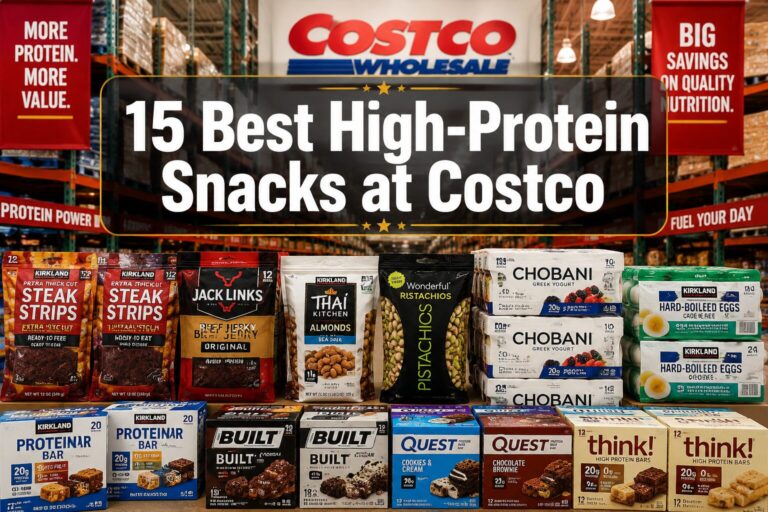
- Warehouse clubs win on whole chicken, pork shoulder, eggs, and big tubs of cottage cheese, but only if you will actually use the volume before it turns.
- Aldi and discount grocers tend to beat everyone on dried beans, lentils, canned tuna, and bagged frozen chicken.
- Ethnic and international markets are where I buy dried lentils and tofu for a fraction of the mainstream shelf price.
- The clearance meat rack at your regular store, usually late morning, is where thighs and pork shoulder go on managed markdown. Buy, freeze, done.
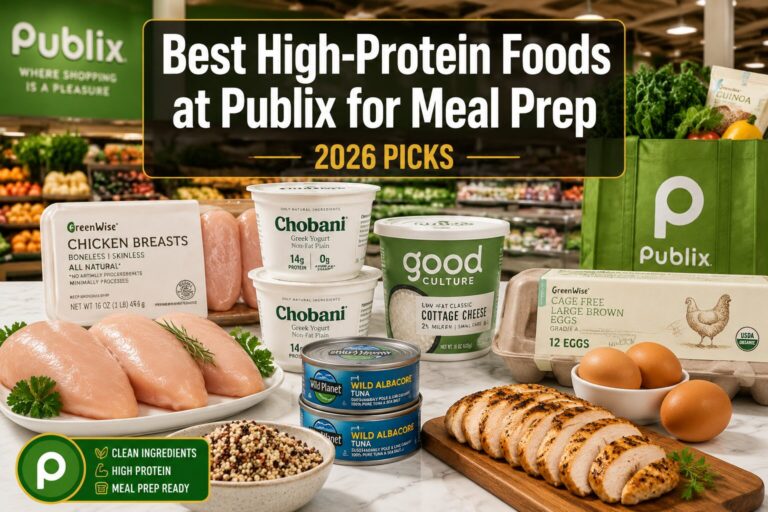
For a store-by-store breakdown with real prices, our grocery guides go deeper than I can here.
How to stretch cheap protein even further
Buying cheap is half the game. Not wasting it is the other half. A few habits that saved me real money:
- Cook the whole package at once, then portion. A half-used pack of chicken in the fridge is a pack you will forget about.
- Bulk out meat with the cheap stuff. Half a pound of beef plus a cup of cooked lentils feeds twice as many people and nobody notices.
- Freeze in meal-sized portions the day you shop, not the day it is about to spoil.
- Save every bone and simmer it. Stock turns a $1.49 chicken into a second dinner.
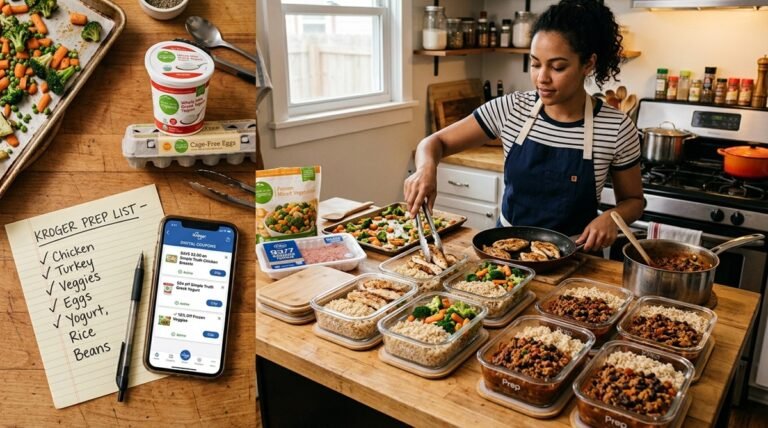
If you want a full framework for eating well without overspending, I put it all in one place in our guide to budget meal prep.
What to skip
Some things look cheap and are not. Pre-marinated meat is the big one. You are paying meat prices for a splash of sauce you could make for pennies, and the portion is usually smaller than the plain cut next to it. Read the per-pound tag, not the sticker price.
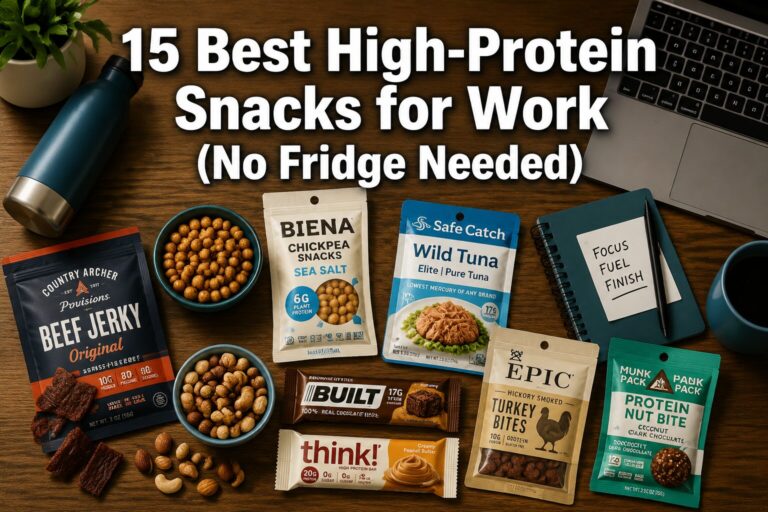
Skip the tiny single-serve protein packs too. Those little cups of nuts, the individual jerky bags, the mini protein snacks at the register. Convenient, sure. But the markup is brutal, sometimes three or four times the bulk price. Buy the big bag and portion it yourself.
And be wary of anything with the word protein slapped on the front in a big font. A cookie is still a cookie. If you want more ideas that actually pull their weight, here are my go-to high-protein snacks.
Frequently asked questions
What is the cheapest high-protein food per gram?
Dried lentils, by a wide margin. A one-dollar bag delivers close to 90 grams of protein per dollar spent, more than any meat, egg, or dairy option. Dried beans come in second. If pure protein per dollar is the goal, the pantry beats the meat case.
Is cheap protein still healthy?
Yes. Eggs, chicken, tuna, beans, and lentils are some of the most nutrient-dense foods you can eat, and they happen to be inexpensive. Cost and quality are not the same axis. The stuff that gets expensive is convenience and packaging, not nutrition.
How much protein do I need per day?
A common target is around 0.7 to 1 gram per pound of body weight if you are active, though needs vary a lot by person and goal. The good news is that hitting a solid number is easy and cheap once lentils, eggs, and chicken are staples in your rotation.
Can I meal prep with only budget proteins?
Absolutely, and most weeks I do. Build your base around chicken thighs, eggs, and a big pot of beans or lentils, then rotate in tuna and pork shoulder for variety. That covers a full week of meals for the price of a couple of restaurant meals.
Related reading
- High-protein meal prep, the full starter guide
- Budget meal prep for eating well on less
- Grocery guides with store-by-store prices
- High-protein snacks worth keeping around
Written by Maya Carter, meal prep writer and home cook at BeefSteakVeg.
Maya Carter | Editorial Policy
BeefSteakVeg shares general food and meal prep information only. This is not medical or nutritional advice.