Rice is the quiet backbone of a meal prep week. Cheap, filling, endlessly flexible. And yet it is the thing most people mess up on the stove, scorching the bottom or watching it boil over while they are chopping something else. The best rice cooker for meal prep fixes all of that by doing one job perfectly and then getting out of your way. You measure, you press a button, you walk off and season your chicken. Twenty minutes later, a full batch of fluffy rice, held warm until you are ready to portion it.
This post contains affiliate links. If you buy through them, I earn a small commission at no extra cost to you.
A quick note on how these picks were chosen. This is a research-based roundup built on published specifications and clear selection criteria, not a claim that I personally cooked in every model listed. The features that matter for meal prep, capacity, keep-warm, a steamer tray, and build quality, are things you can verify on the spec sheet, and that is what these recommendations lean on.
Why a rice cooker helps meal prep
Three reasons, and they compound.
- Hands-off big batches. You can cook six to ten cups of finished rice while you handle the protein and the vegetables. No babysitting, no stirring, no boil-over.
- Keep-warm holds it. The rice sits at a safe serving temperature until you are ready to portion, so your timing does not have to be perfect.
- A steamer tray doubles the machine. Many models include a basket that sits above the rice. Load it with broccoli, green beans, or even chicken and fish, and you steam a protein and a vegetable while the grain cooks underneath. One appliance, most of the bowl.
That last point is the one people sleep on. If you are batching bowls, a cooker with a steam tray is quietly doing the work of three burners. Pair it with a solid best pan for meal prep for searing, and your whole Sunday gets shorter.
Types of rice cookers, briefly
- Basic switch. One button, one job. A thermostat flips from cook to warm when the water is gone. Cheap and reliable. Perfect if you just want a big batch of white or brown rice.
- Fuzzy logic. A small chip adjusts time and temperature for the grain you pick. Better texture, more presets, forgiving with brown rice and mixed grains.
- Induction. Heats the whole pot with a magnetic field for the most even, most consistent result. The priciest tier, and the one enthusiasts reach for.
For most meal preppers, a basic switch or a mid-range fuzzy logic model is the sweet spot. Induction is lovely, but it is more machine than a weekly rice batch strictly needs.
The right capacity for meal prep
Capacity is measured in cups of uncooked rice, and this is where people buy wrong. One cup uncooked yields roughly three cups cooked. For prepping a week of bowls, aim for a 6 to 10 cup uncooked capacity. That gives you enough finished rice for four to six generous portions in a single run.
A 3-cup unit is fine for one person cooking a single dinner. For a week of prep it is too small, and you will end up running it twice. Buy the size that matches the batch, not the size that looks tidy on the counter.
Features that matter
- Keep-warm. Non-negotiable for prep. It lets the rice wait for you instead of the other way around.
- Steam tray. The feature that turns a rice cooker into a meal-prep tool. Look for a model that includes one that fits well.
- Delay timer. Load it before bed or before work, set the finish time, come home to hot rice. Genuinely useful on a busy week.
- Removable, well-coated inner pot. A thick, durable nonstick pot cleans in seconds and lasts. A thin, cheap coating is the first thing that fails.
Best rice cooker for meal prep: picks by budget
Three price tiers, three different buyers. Match the tier to how hard you will run it.
Budget tier ($20 to $40): basic switch cooker
Look for a 6-cup uncooked switch model with keep-warm and an included steam tray. This tier does the core job well: big batches, hands-off, warm-hold. The trade-off is fewer presets and a simpler pot coating. For a lot of people, this is all they will ever need.
Mid tier ($40 to $100): fuzzy logic cooker
The meal-prep sweet spot. A fuzzy logic model in the 5.5 to 10 cup range adds grain-specific presets, a delay timer, and better texture on brown rice and mixed grains. The inner pot is usually thicker and more durable. If you prep weekly and eat varied grains, spend here.
Premium tier ($100+): induction cooker
Induction heating for the most even, most consistent rice, plus advanced presets and premium pots. Overkill for a plain weekly batch, but worth it if rice is a daily staple and you care about texture down to the grain. Built to last for years.
Comparison at a glance
| Tier | Type | Price | Capacity to target | Best for |
|---|---|---|---|---|
| Budget | Basic switch | $20-40 | 6 cup uncooked | Simple big batches |
| Mid | Fuzzy logic | $40-100 | 5.5-10 cup uncooked | Weekly varied-grain prep |
| Premium | Induction | $100+ | 5.5-10 cup uncooked | Daily use, best texture |
What to look for
- An included steam tray that actually fits the pot, so you can cook a protein and a vegetable above the rice.
- A 6-cup-plus uncooked capacity if you are prepping for a week.
- A thick, durable nonstick inner pot rated to hold up to repeated use.
- Keep-warm and, ideally, a delay timer for hands-off timing.
- A pot and lid that come apart for easy cleaning.
What to skip
- Tiny 3-cup units. They look cute and cost less, but you will run them twice for a week of prep. Buy the batch size you need.
- Cheap pots with thin nonstick that flakes. A coating that peels after a few months is a health and durability problem. Read reviews specifically for pot longevity.
- Gimmick presets you will never use. Twenty menu buttons look impressive and change nothing about a good batch of rice. Prioritize capacity, keep-warm, and a steam tray over a crowded panel.
- No keep-warm. Rare, but it exists at the very bottom of the market. Skip it for prep.
What trips people up: assuming bigger is always better. A 10-cup cooker is great if you fill it, but a half-empty pot cooks rice less evenly than one loaded closer to its designed range. Buy for your real batch size.
Basic care
- Hand wash the inner pot with a soft sponge. No steel wool, ever, or you will scratch the coating.
- Wipe the heating plate and the rim after each use so stray grains do not bake on.
- Rinse your rice before cooking. It removes surface starch, improves texture, and keeps the pot cleaner.
- Let the pot cool before washing to protect the nonstick surface over the long haul.
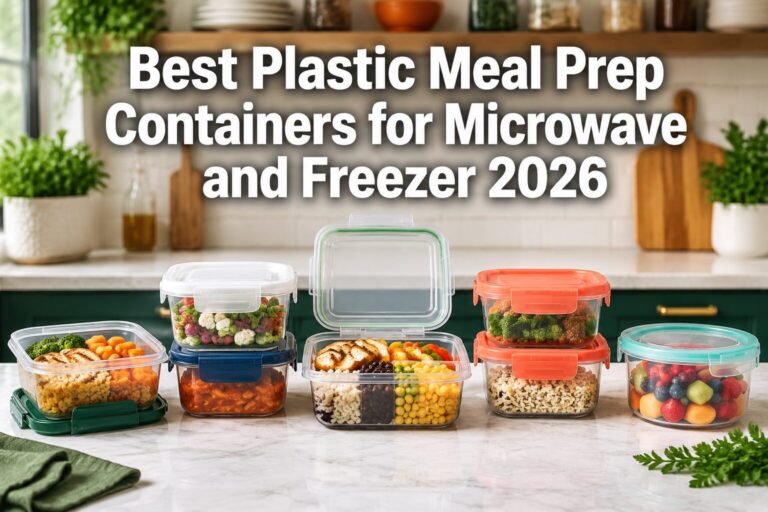
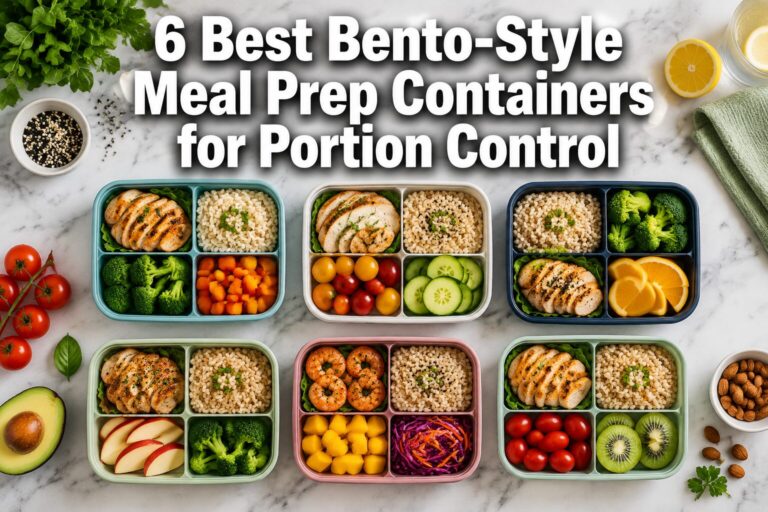
For the rest of the kit, the meal prep tools roundup covers the gear that pairs with a good cooker, and the meal prep guide ties it all into a weekly system. Store the results in tight-sealing meal prep containers and your rice stays fresh for days.
Frequently asked questions
What size rice cooker is best for meal prep?
A 6 to 10 cup uncooked capacity is the target for weekly prep. Since one cup uncooked makes about three cups cooked, that range yields enough rice for four to six generous portions in a single run.
Can I cook protein and vegetables in a rice cooker?
Yes, if it has a steam tray. The basket sits above the cooking rice and steams broccoli, green beans, chicken, or fish while the grain finishes below. It is the single most useful feature for meal prep.
Is a fuzzy logic rice cooker worth the extra money?
For weekly prep with varied grains, usually yes. It adds presets, a delay timer, and better brown-rice texture, plus a more durable pot. If you only cook plain white rice, a basic switch model does the job for less.
How long does cooked rice keep for meal prep?
Cooked rice keeps about 4 days in the fridge in a sealed container. Cool it quickly after cooking rather than leaving it out, and reheat with a splash of water to bring back moisture.
Related reading
- See the full kit in the meal prep tools roundup.
- Build the routine with the meal prep guide.
- Sear better with the best pan for meal prep.
- Store it right in the meal prep containers guide.
Written by Maya Carter, meal prep writer and home cook at BeefSteakVeg.
Maya Carter | Editorial Policy
BeefSteakVeg shares general food and meal prep information only. This is not medical or nutritional advice.