It is 12:40. You skipped prep on Sunday, you are starving, and the limp salad in the office fridge has maybe eight grams of protein in it. Sound familiar? The best high-protein lunches to buy exist for exactly this moment, the one where the plan fell apart and you still need real food that holds you until dinner. Good news. The grocery store and the fast-casual counter are full of options that clear 25 grams. You just have to know which ones.
This post contains affiliate links. If you buy through them, I earn a small commission at no extra cost to you.
Protein is the macro that keeps you full. It blunts the 3 p.m. crash and it protects muscle when you are busy and eating on the run. A lunch that misses on protein is the reason you are hunting the vending machine two hours later. So the bar here is simple. Real protein, ideally 25 grams or more, food you can buy without a stove.
Grocery grab-and-go picks
Walk in with a plan. The perimeter of most stores hides a dozen fast, high-protein lunches that need zero cooking. Here is what to reach for.
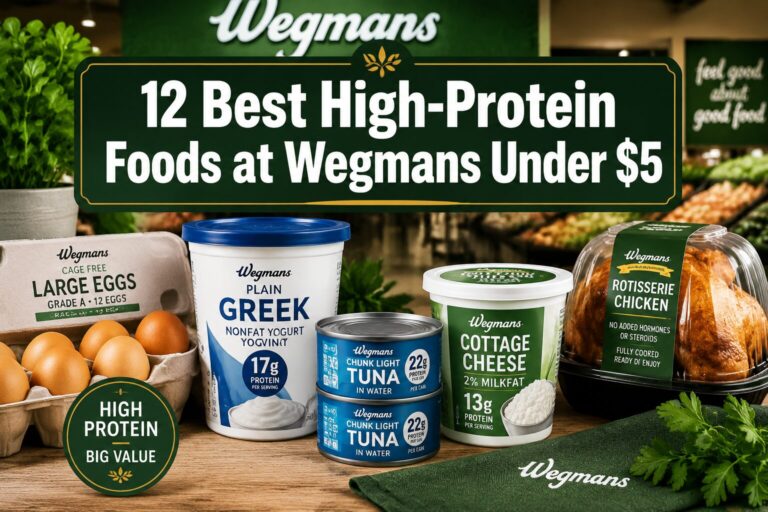
- Rotisserie chicken. The workhorse. A quarter of a bird runs 25 to 35 grams of protein for a few dollars. Pull the meat, skip the skin if you are watching sodium, eat it with a bagged slaw or a roll.
- Pre-cooked grilled chicken strips. Sold in refrigerated pouches near the lunch meat. Around 22 to 26 grams per serving. Toss them cold over greens or warm them in 60 seconds.
- Deli protein boxes. The ones with meat, cheese, and a few crackers. Read the label. The good ones hit 20 to 25 grams. The cracker-heavy ones do not.
- Greek yogurt. Plain, two percent, single-serve cup. Roughly 17 to 20 grams. Stir in a spoon of nut butter or some berries for a savory-to-sweet lunch that travels.
- Cottage cheese cups. The comeback kid. A single cup can carry 24 grams. Pair it with fruit or with everything-bagel seasoning and cherry tomatoes.
- Canned fish with crackers. Tuna, salmon, or sardines. A pouch of tuna is 20 to 27 grams and costs less than a coffee. Sardines bring omega-3s along for the ride.
- Hard-boiled egg packs. Two eggs is only 12 grams, so treat these as a builder. Two eggs plus a cheese stick plus a yogurt gets you there.
The trick is stacking. One item rarely wins alone. Chicken plus a yogurt. Tuna plus a cheese stick. Two small things beat one big disappointment.
Frozen high-protein bowls
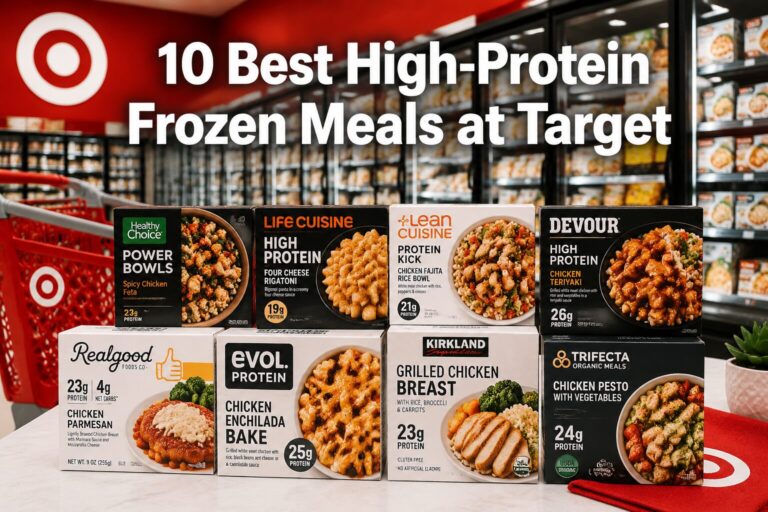
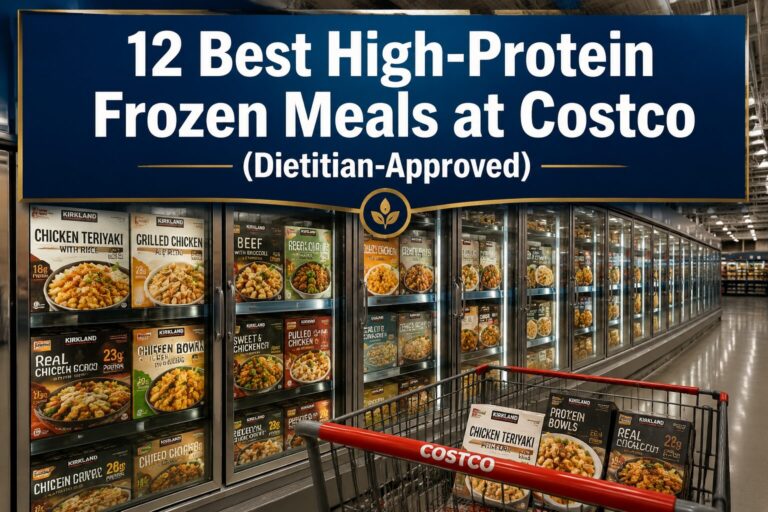
The freezer aisle has quietly gotten good. Brands now build bowls around grilled chicken, steak, or salmon with a real grain base, and a lot of them land between 20 and 30 grams. Microwave, five minutes, done.
Read two numbers before it goes in the cart. Protein per serving, and sodium. Frozen meals lean salty, so anything over 800 milligrams of sodium is a once-in-a-while pick, not a daily one. If you want a deeper breakdown of the best options, I keep a running list in my best high-protein frozen meals guide. For the bigger picture on building a week of food, start with the high-protein meal prep playbook.
Fast-casual picks that actually deliver
No fridge, no cart, just a line at a counter. You can still win. The move at a build-your-own-bowl spot is to double the protein and go easy on the calorie-dense extras.
- Build-your-own bowls. Base of greens or rice, double chicken or steak, salsa, beans. A double protein order often clears 40 grams.
- Grilled chicken plates. Mediterranean and Latin spots do this well. A grilled chicken or shawarma plate with rice and a side is protein-dense and filling.
- Burrito bowls, no tortilla. Drop the wrap, keep the meat and beans. Same protein, less of the passive carb.
- Poke bowls. Tuna or salmon over rice. Ask for a double scoop of fish and you are near 30 grams.
How the best high-protein lunches to buy compare
Here is a quick side by side. Protein figures are typical per single serving and vary by brand and portion. Price is a rough national ballpark, not a promise.
| Option | Protein (typical) | Rough price | Prep |
|---|---|---|---|
| Rotisserie chicken (1/4 bird) | 25-35 g | $2-4 | Pull and eat |
| Grilled chicken strips (pouch) | 22-26 g | $4-6 | Cold or 60 sec |
| Deli protein box | 20-25 g | $5-7 | None |
| Greek yogurt (single cup) | 17-20 g | $1-2 | None |
| Cottage cheese cup | 20-24 g | $1-2 | None |
| Tuna or salmon pouch | 20-27 g | $2-3 | Open |
| Frozen protein bowl | 20-30 g | $4-7 | 5 min microwave |
| Fast-casual double-protein bowl | 35-45 g | $11-14 | Order at counter |
Best value on the list? Canned fish and cottage cheese. Cents per gram of protein, they are hard to beat. Best when you have zero time and a microwave? A frozen bowl. Best when someone else is cooking? The double-protein counter bowl.
What to look for
- 25 grams or more of protein. That is the line for a lunch that actually holds you. Under 15 and you are snacking, not eating.
- Sodium under about 800 mg. Convenience food is salty by design. Scan the number and keep the daily picks lower.
- Hidden sugar. Flavored yogurts, glazed proteins, and bowl sauces can smuggle in 20-plus grams of sugar. Plain versions plus your own add-ins win.
- A short ingredient list. Not a rule, just a good tiebreaker between two similar boxes.
What to skip
This is where most people lose the game.
- Salads that are mostly lettuce. A bowl of greens with a sprinkle of cheese is a side dish charging you main-course money. If the protein is not front and center, keep walking.
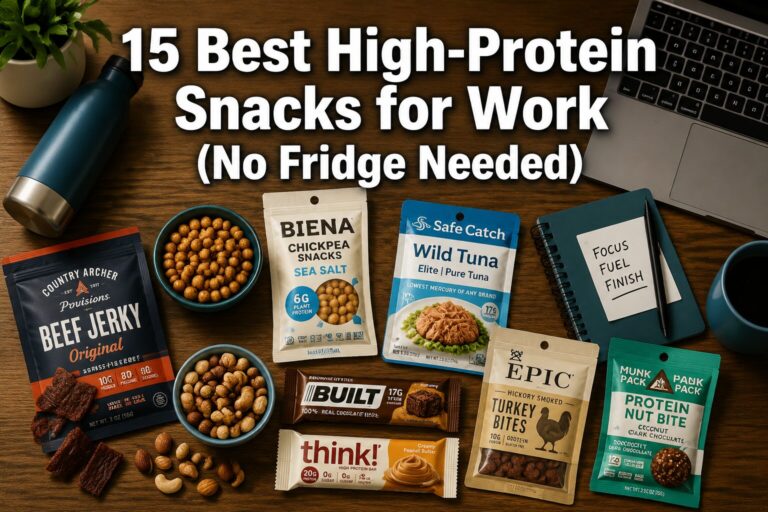
- Tiny “protein” snacks at the register. The little bars and bites parked by the checkout are impulse buys with 6 to 10 grams. Fine as an add-on, useless as a lunch.
- Anything labeled “protein” in big letters with the number in fine print. Flip it over. The front of the package is marketing. The back is the truth.
- Sushi rolls as a main. Mostly rice. Tasty, low protein, and you will be hungry by two.
What trips people up most: portion math. A “serving” on the label is often smaller than the container. Two servings in one pouch means double the protein and double the sodium. Read the serving size before you trust the big number on the front.
Frequently asked questions
What is the cheapest high-protein lunch to buy?
Canned tuna or salmon pouches and single-serve cottage cheese. Both land 20-plus grams of protein for a dollar or two, which is the best cost per gram on the shelf. Rotisserie chicken is close behind when you split a whole bird across a few meals.
How much protein should a lunch have?
Aim for 25 to 40 grams. That range keeps most adults full through the afternoon and supports muscle when you are active. If you lift or you are managing weight, push toward the top of it.
Are frozen protein bowls actually healthy?
Many are a solid choice, especially the ones built on grilled meat and a whole grain. The catch is sodium. Check the label, keep daily picks under about 800 milligrams, and treat the saltier options as occasional.
Can I hit my protein goal at a fast-casual place?
Easily. Order a build-your-own bowl and double the meat. A double chicken or steak bowl often clears 40 grams. Drop the tortilla or chips if you want to trim the passive carbs and calories.
Related reading
- More store-by-store help in the grocery guides.
- Build a full week with the high-protein meal prep guide.
- Stock the freezer using the best high-protein frozen meals list.
- Fill the gaps with smart high-protein snacks.
Written by Maya Carter, meal prep writer and home cook at BeefSteakVeg.
Maya Carter | Editorial Policy
BeefSteakVeg shares general food and meal prep information only. This is not medical or nutritional advice.